RESEARCH
Academic Papers & Books
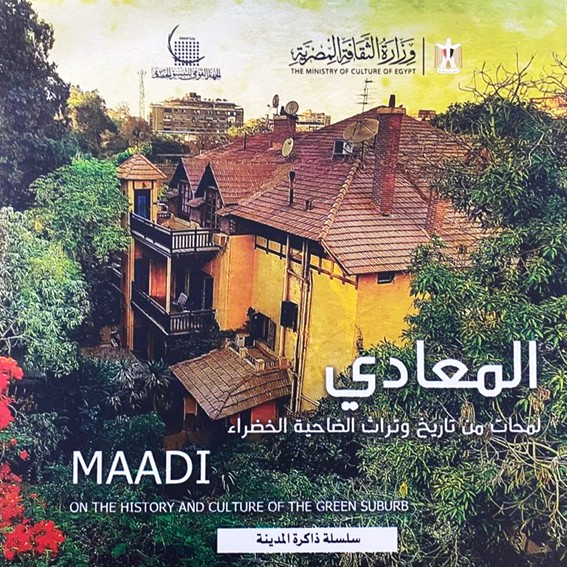
From a Garden Suburb to a Concrete Jungle: Transformations of the Environmental and Urban in Maadi
Gohar, A. – Al Sayyad, N. (Ed.)
in Maadi: On the History and Culture of the Green Suburb, Dar Al Ain Publishing, pp. 59-73, 2026.
Maadi, located in southern Cairo, has long been known as an upscale residential district distinguished by quiet streets, dense vegetation, and expansive gardens. Established in the early twentieth century, it was planned as a low-density suburb of spacious villas set within generous green plots. This design produced a distinctive aesthetic and attracted embassies, international schools, expatriates, and political and cultural elites, fostering a socially diverse and cosmopolitan community. Read more
Commentary: Theory and Practice in Teaching Landscape Architecture
Gohar, A.
African Journal of Landscape Architecture (AJLA), 11(10), 2025.
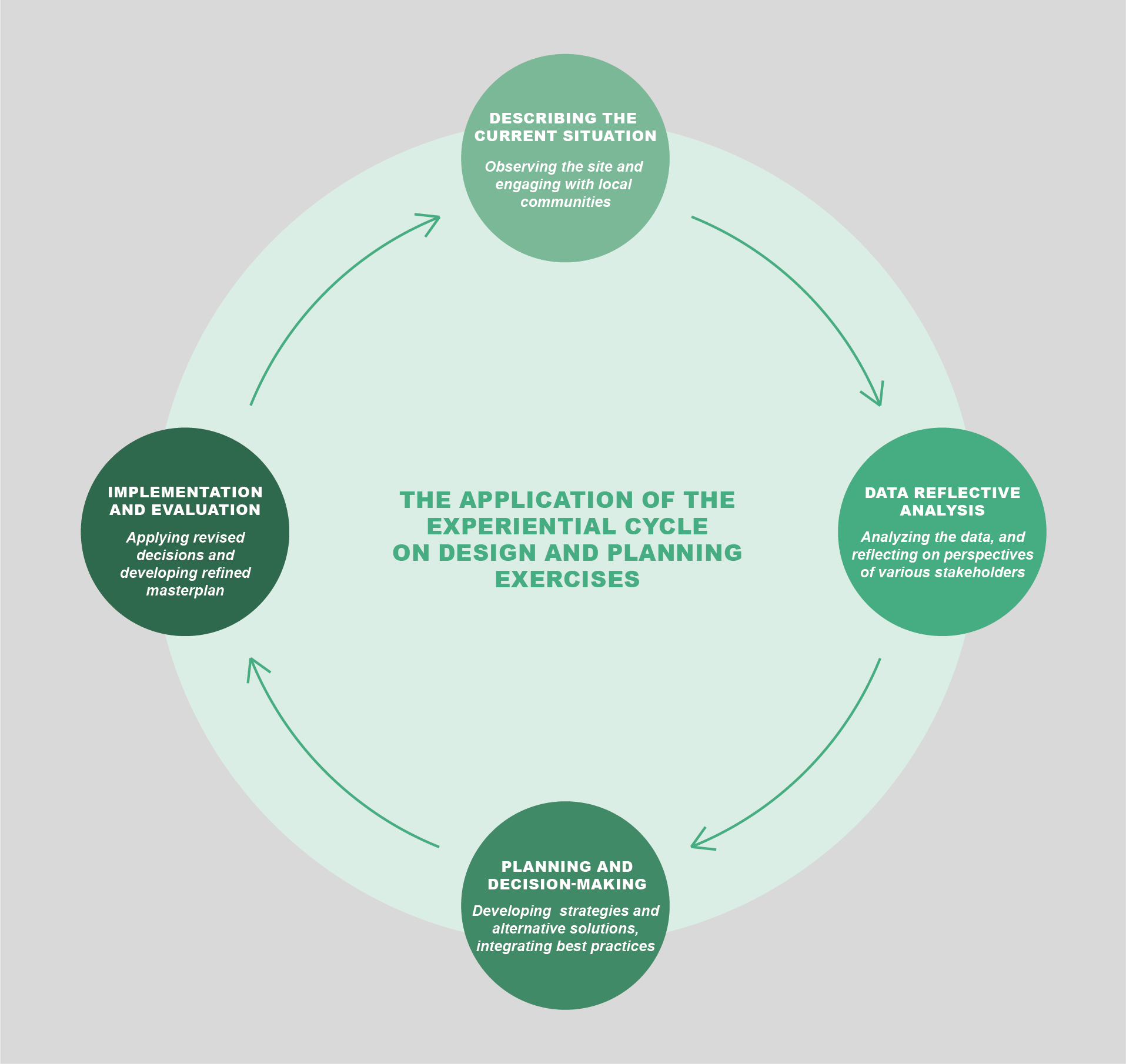
Landscape architecture educators often continue teaching and introducing innovative ideas with limited opportunities for critical reflection, particularly regarding the disconnect between pedagogical frameworks and the realities of practice in landscape higher education. Drawing on over two decades of experience, including the development of new programs, the successful management of established curricula, and the transformation of underperforming ones, this reflective piece explores how teaching theories in landscape architecture. Read more
Climate Activism Across Urban and Rural Divides in the Middle East
Gohar, A.
Carnegie Endowment for International Peace, 2025.
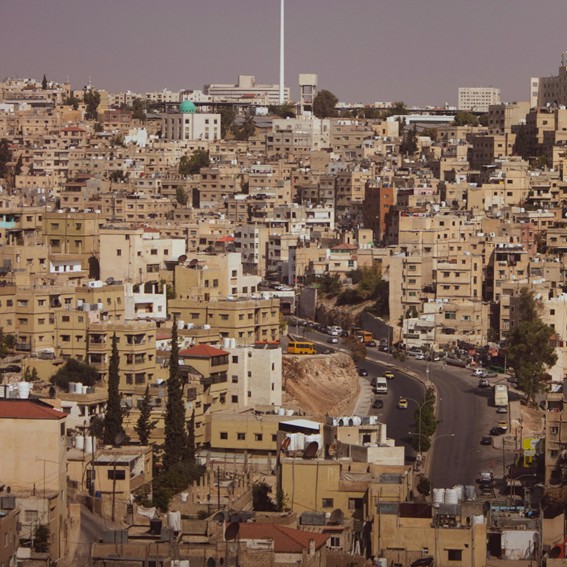
Countries across the Middle East and North Africa (MENA) are contending with rising temperatures, water scarcity, and extreme weather events that impact ecosystems and livelihoods unevenly across geographic and socioeconomic contexts. In response, the governments of Egypt, Morocco, and Jordan have adopted long-term policy frameworks that emphasize mitigation, adaptation, and sustainable development. This piece explores how civil society actors operate within and around state climate policies, attending to the political and spatial conditions that shape the policies’ visibility, legitimacy, and impact. Read more
Are the Red Sea Protected Areas Compatible for Ecotourism?
Gohar, A.
Alternative Policy Solutions, The American University in Cairo, 2025.
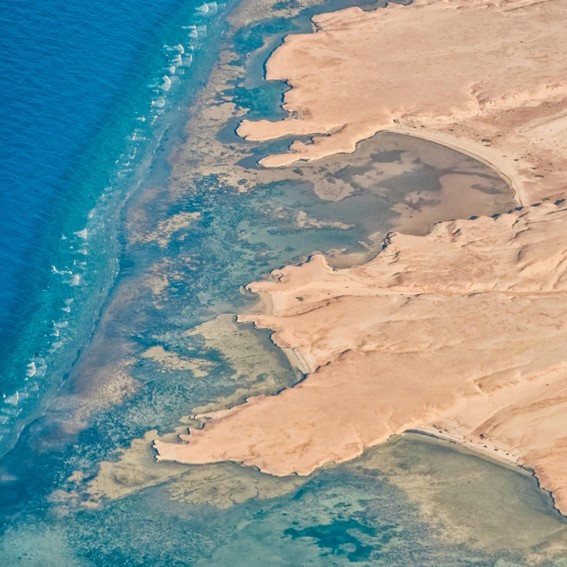
Ecotourism is broadly recognized as a responsible type of tourism centered on nature and environmental conservation. While ecotourism is often framed as a sustainable solution, this promise depends entirely on how it is regulated. In the absence of clear land-use legislative and development frameworks, ecotourism can be misused to legitimize unsustainable practices, undermining both environmental protection and the credibility of the sector. Without these legal foundations, the ambition for ecotourism will remain disconnected from practice, and the opportunity to align environmental protection with economic benefit may be lost. Read more
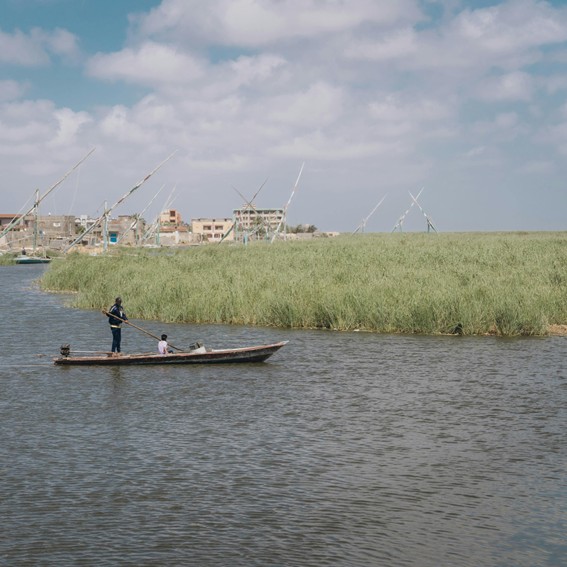
Engaging Egypt’s Landscape Architects to Combat Climate Change
Gohar, A.
Carnegie Endowment for International Peace, 2025.
Egypt’s persistent climate challenges urgently require a holistic, knowledge-based approach to design and planning on various scales. Landscape architecture, often marginalized and confined to questions of aesthetics, should be leveraged to address the complexities of environmental and social challenges in Egypt. This paper examines climate risks across the national, regional, and local levels, with a particular focus on the vulnerabilities Egypt is currently facing without the integrated engagement of landscape architects. Read more
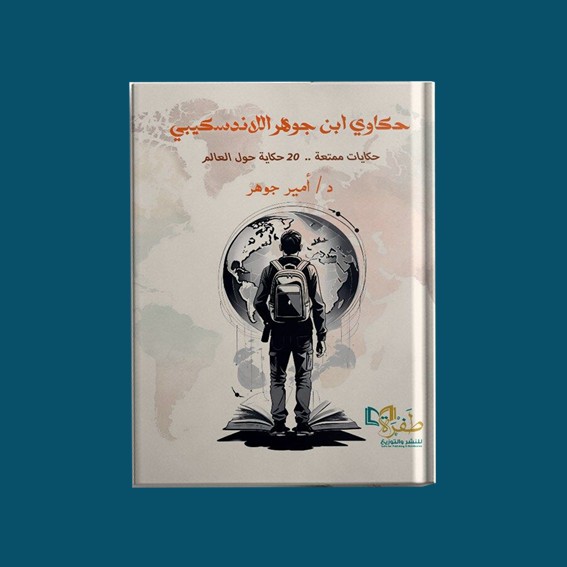
Tales of Ibn Jawhar, The Landscapist
Gohar, A.
Tafra for Publishing & Distribution, 2024.
After extensive travels spanning over 50 countries for work, teaching or research, and after engaging with diverse communities, including rural, nomadic, and marginalized groups, I have embarked on documenting these experiences through narratives and encounters around the world. These stories, lived and authentic, have undergone minor alterations in names, locations, and dates while preserving their essence. They are narrated through the perspective of a fictional character named “Tales of Ibn Jawhar, The Landscapist” Read more
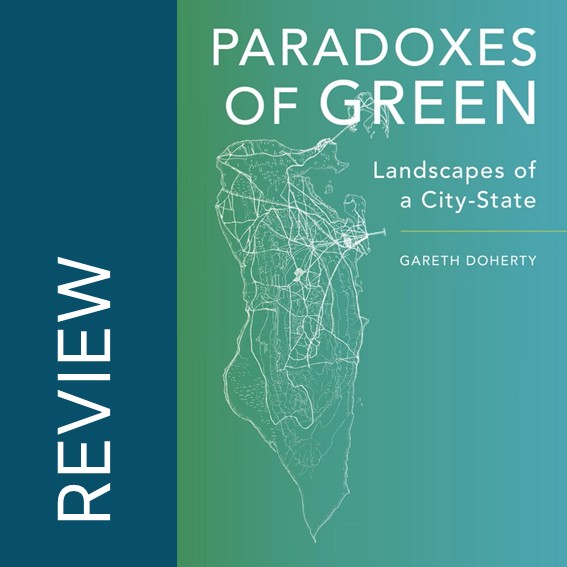
Paradoxes of Green: Landscapes of a City-state by Gareth Doherty (Book Review)
Gohar, A.
Traditional Dwellings and Settlements Review (TDSR), 34(2), pp. 84-85, 2023.
In this book about the cultural life and landscapes of the Kingdom of Bahrain, Gareth Doherty provides a sophisticated narrative of these two approaches to the urban environment, green the color and greening the concept, and how they are currently diverging on opposite trajectories in arid regions such as the Gulf. Doherty describes shades of green as they signal attitudes toward both manmade and natural settings, evoking differences between the sea, palm trees, greenbelts, street trees, the water of the Gulf, the desert, and areas of reclaimed land. Read more
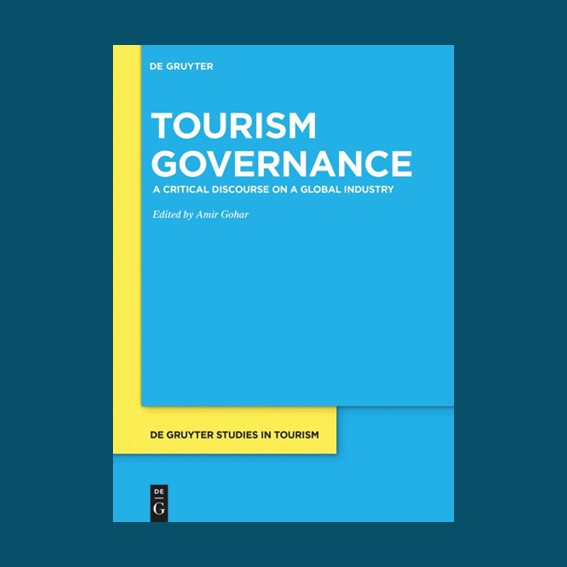
Tourism Governance: A Critical Discourse on a Global Industry
Gohar, A.
Published Book by De Gruyter Oldenbourg, Berlin, Boston, 2022.
Tourism Governance takes a systematic approach to reveal the varying internal and external dynamics that influence tourism policy and strategy across countries. With particular attention to the role of stakeholders and governmental scales, the book offers a broad geographic representation, highlighting the diversity of governance relationships towards tourism in Colombia, Egypt, Finland, France, India, Italy, Lebanon, Mexico, Oman, Poland, Portugal, Thailand, Tunisia, Turkey, and United States. Read more

Tourism and Urbanization, An Interconnected Evolution
Gohar, A.
Sustainability in Environment, 6(3), pp. 96-135, 2021.
While there is extensive literature on the evolution of tourism and the urbanization process, the interlinks between these two evolutions are not yet fully explored; maybe because they are separate disciplines, or taught independently of each other. This research navigates the spatial dimension of travel evolution alongside the attendant expansion of the urbanization process. It defines the nexus between tourism as a global demand and the physical infrastructure that accommodates such a force. The built environment, manifested in both its urban forms and its systems of mobility, is shaped by, and has been shaping, many factors including tourism. Read more
How Eco Is Eco-Tourism? A Systematic Assessment of Resorts on the Red Sea, Egypt
Gohar, A. – Kondolf, G. M.
Sustainability, 12(23), 2020.
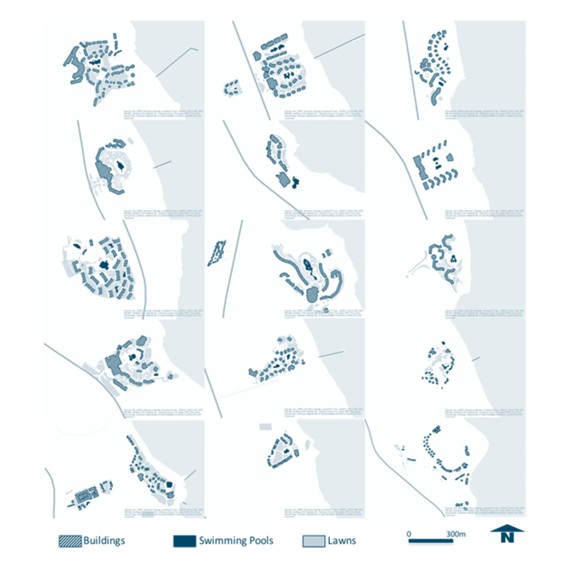
Eco-tourism is a growing part of the tourism industry. However, there are no agreed-upon criteria of what constitutes eco-tourism, so the industry is currently self-identified, with eco-lodges simply declaring themselves so. Here we present the first systematic comparison of eco-tourism versus conventional (or mass) tourism, using as our study area a set of 37 resorts along the southern Red Sea coast of Egypt, all constructed on similarly oriented parcels between the sea and the Red Sea Mountain Range. Read more
Bridges Over the Nile: Transportation Corridors Transformed into Public Spaces
Gohar, A. – Kondolf, G. M.
The Journal of Public Space, 5(1), pp. 5-20, 2020.
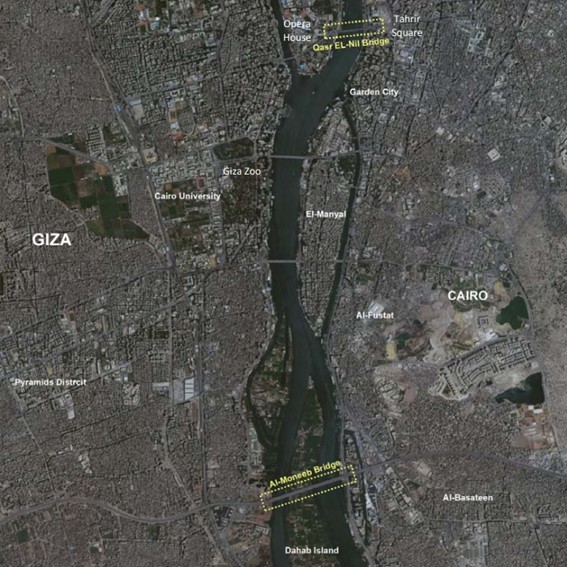
Cairo is a congested city with high rate of urbanization and very limited public space. Cairo has one of the lowest rates of parkland per capita of any major city. Moreover, the banks of the Nile, formerly alive with activities such as washing, fishing, and felucca landings, were by the end of the twentieth century largely cutoff from free public access by a wall of busy roads, private clubs, luxury hotels, restaurants, nurseries, and police/military stations, roads. The need for open space for people from lower income who could not afford the expensive options along the Nile banks, has resulted in use of the sidewalks of the main bridges as public spaces. Read more
Greening and Opening the Public Space of the Nile Banks: A Demonstration Case Study in Maadi, Cairo
Gohar, A.
The Journal of Public Space, 3(1), pp. 31-48, 2018.
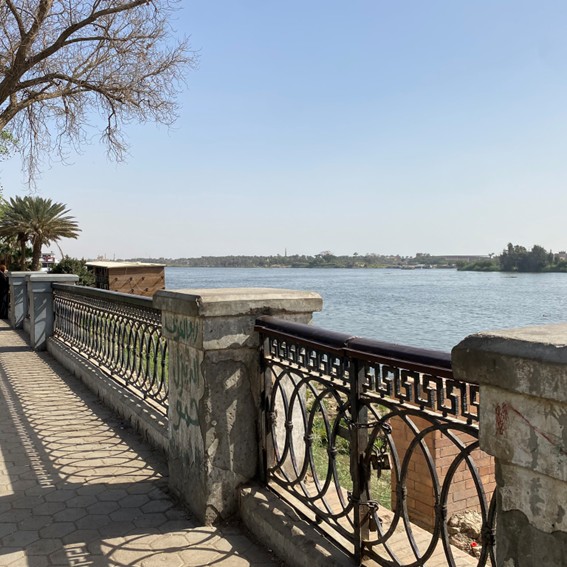
The Nile, in general, and particularly in Cairo, is an ecological, cultural and social corridor that is not yet fully utilized. The 2011 Cairo workshop “Connecting Cairo to the Nile” identified the potential to increase accessibility to the river, suggested longitude trail system, proposed connecting the waterfront with adjacent neighborhoods and proposed expanding the ferry system. I studied a 2-km reach of the east bank in Maadi, a wealthy suburb about 10 km upstream of the city center, with relatively greener banks, availability of resources at the district level, higher awareness of local residents, physical setting allow for banks re-use, existence of community organizations (i.e. Tree Lovers and Midan). Read more
Tourism Development from its Beginnings to Current Environmental Impacts & Contemporary Governance: Application to the Southern Red Sea, Egypt
Gohar, A.
University of California at Berkeley (PhD Dissertation), 2017.
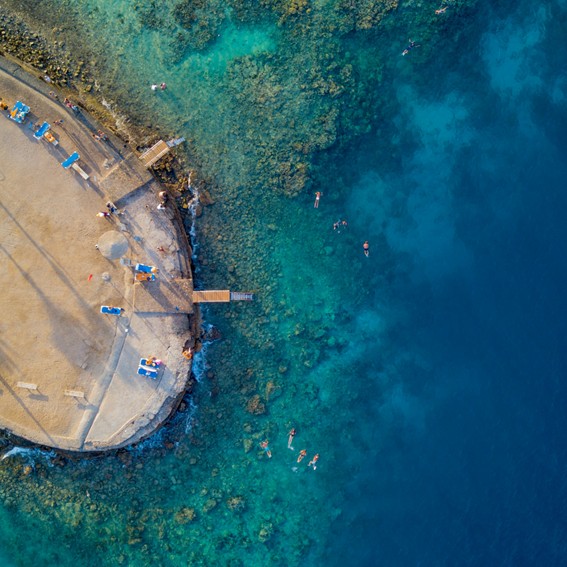
This research navigates the spatial dimension of travel evolution alongside the attendant expansion of urbanization. It defines the nexus between tourism as a global demand and the physical infrastructure that accommodated such a force. The built environment, manifested in both its urban forms and its systems of mobility, has shaped and been shaped by many factors, including tourism. This work explores the historical co-evolution of urbanization and tourism. Egypt, considered one of the world’s oldest tourist destinations, is used here to demonstrate the interlocking relationship of tourism and urbanization; it is difficult to separate these two phenomena because the evolution of tourism through time is not only attributable to demand. Read more
Flash Flooding as a Threat to Settlements Even in Remote Areas
Gohar, A. – Kondolf, G. M.
Environment & Urbanization, 29(2), pp. 503-514, 2017.
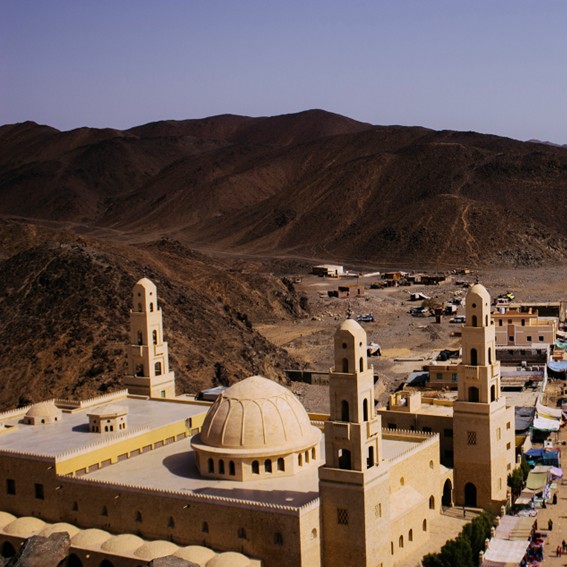
Desert environments are subject to flash floods in wadi floors, which may occur only once every decade or two in a given wadi (dry channels or valleys, except during rains). In areas of rapid growth, flood-prone areas can become urbanized in the time between floods. Being flat and constituted of sandy sediments, unlike the surrounding terrain, wadi floors are often used for construction, exposing the new settlements to flood risks. We present a case study of the town of El-Sheikh El-Shazli, in the Eastern Desert of Egypt, which has undergone increasingly rapid development over the past two decades. The town is named for an important 13th-century Sufi leader whose shrine receives thousands of visitors annually. Read more
Sustainable Tourism along the Red Sea: Still Possible?
Gohar, A. – Kondolf, G. M.
Civil Engineering and Architecture, 4(2), pp. 39-46, 2016.
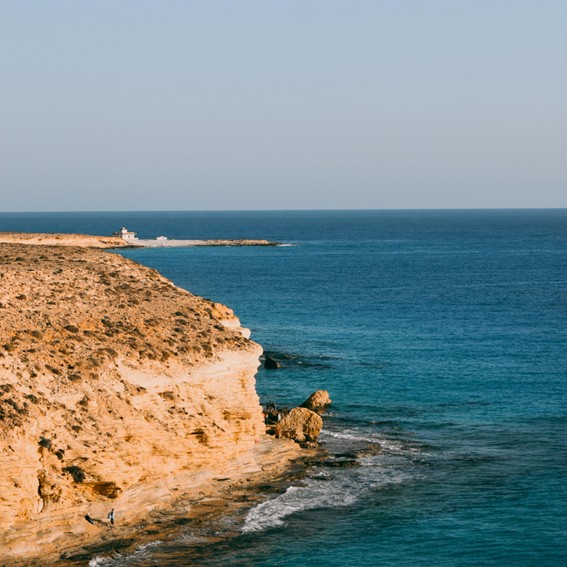
The Red Sea is a unique resource whose potential remains underutilized. Since the 1980s development for mass tourism has destroyed the northern coastal stretches as exemplified by the city of Hurghada. A number of initiatives have taken place in the past to protect areas along the Red Sea (from Marsa Alam city South), including introduction of ecotourism and coastal planning guidelines by the Red Sea Sustainable Tourism Initiative (RSSTI) in 2000-2004. Also, the ‘Livelihood and Income From Environment (LIFE)’ program in 2005-2008 supported implementing pilot projects in national parks to demonstrate the appropriate processes. Read more
Urbanization & Sustainable Development: Evolution and Contemporary Challenges
Gohar, A.
Journal of Civil Engineering and Architecture Research, 3(12), pp. 1813-1825, 2016.
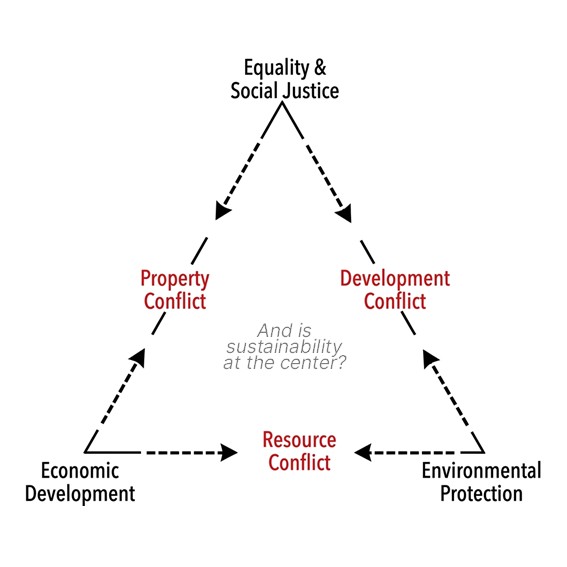
This research starts with the evolution of urbanization from the pre-industrial revolution to the contemporary era. It elaborates on the contemporary sustainability challenges followed by a review of the recent concepts with an objective to get closer to partially identifying the balance that sustainable development may achieve. It concludes with a set of contemporary sustainable development challenges. Read more
Connecting Cairo to the Nile: Opportunities for Public Access and Alternative Transportation
Gohar, A. – Kondolf, G. M. – Mozingo, L. – Marzion, R. – Balakrishan, K.
Democratic Transition and Sustainable Communities, 2013.
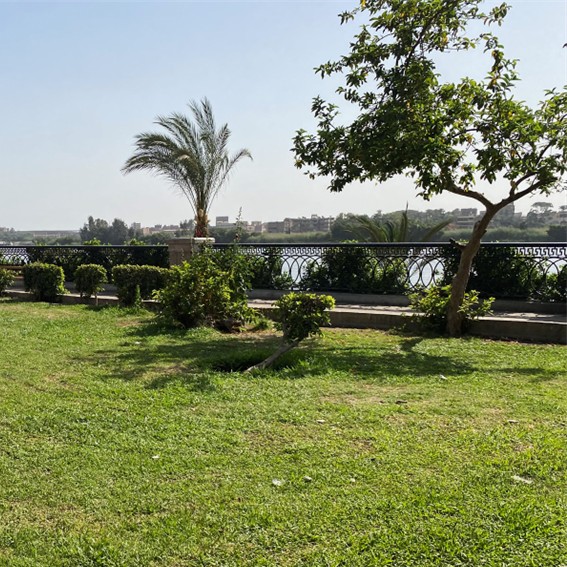
If Egypt is ‘the gift of the Nile’, certainly the Nile is the heart of Cairo, Egypt’s greatest city. Ironically, however, over the 20th century, the Nile became inaccessible to ordinary Cairenes along most of its banks, which are now occupied by private clubs, restaurants, hotels, police and military installations, and other uses off-limits to the public. Cairo’s densely-packed inhabitants face a severe lack of public open space. The few points of access to the river (including bridges) are heavily used. Elsewhere, we see the world’s great cities are increasingly developing their waterfront as great public spaces and building continuous trails that serve as alternative transportation routes. Read more
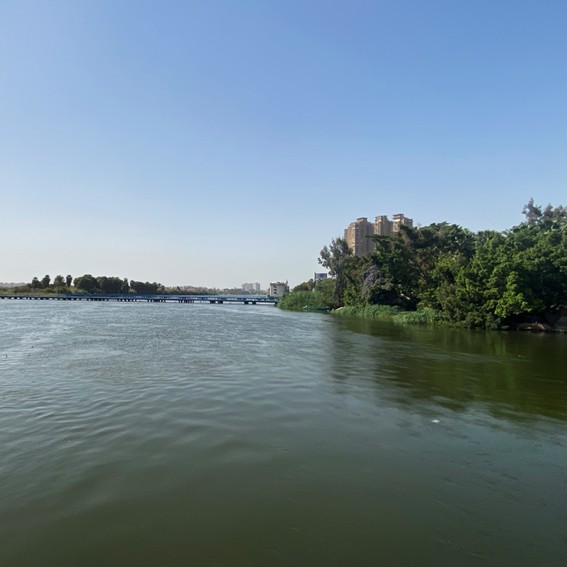
Connecting Cairo to the Nile: Renewing Life and Heritage on the River
Gohar, A. – Kondolf, G. M. – Mozingo, L. – Marzion, R.
Institute of Urban & Regional Development (IURD Policy Brief), 2011.
Cairo, one of the densest cities in the world, struggles with many urban planning challenges, including heavy traffic, air pollution, a large informal housing sector, and lack of recreational and open green space for its many residents. The city has remarkable opportunities to reconnect its people with the river through increased access to the waterfront, environmental improvements, pedestrian pathways, and attractive public spaces. Read more
Professional Reports
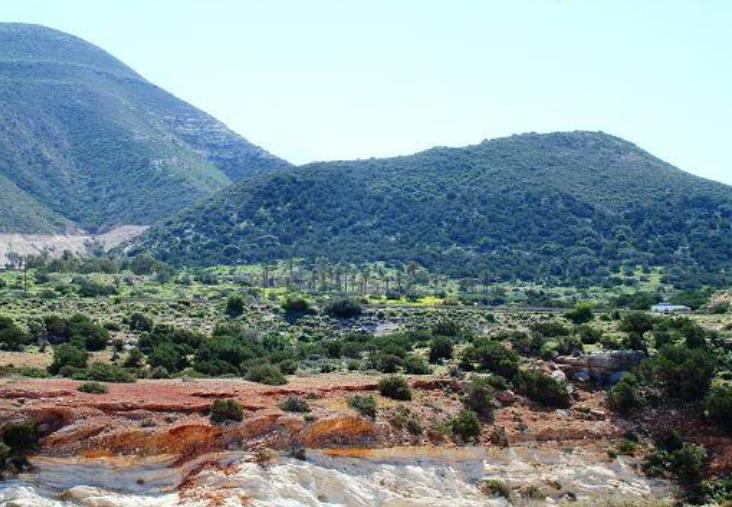
Realizing Tourism Opportunities, Green Mountain, Libya
Gohar, A.
Townsend, UC Berkeley, 2011.
The Green Mountain region in Libya is positioned as a distinctive tourism destination, combining Mediterranean landscapes, forested highlands, and a rich archaeological heritage. The report evaluates key natural and cultural assets for their capacity to support diversified, year-round tourism experiences within a sustainable development framework. It identifies strategic directions and priority interventions to unlock economic opportunities while safeguarding the region’s environmental and cultural integrity.

Current Situation Report, Strategic Planning & Budgeting
Gohar, A. – Abdel-Aty, A.
UN-Habitat, 2010.
This report examines Egypt’s decentralization efforts through the Strategic National Development Support Project, focusing specifically on Ismailia as a pilot governorate. It maps the current planning and budgeting process, compares it with the legal framework, and identifies gaps related to centralization, unclear laws, weak coordination, and limited technical capacity. The report recommends capacity building, institutional reform, and gradual decentralization of resources to strengthen local development planning.
Bab Zuwayla-Al-Mahruq Gate Tourism Route
Gohar, A. – Ibrahim, K. – Akl, N. – Qotb, M. – Ghoniem, W. – Badr, H.
AgaKhan Trust for Culture, 2008.
The tourism route linking Bab Zuwayla to Al-Mahruq Gate is positioned as a catalyst for revitalizing Darb al-Ahmar, leveraging its rich cultural heritage while addressing long-standing physical and socio-economic decline. Existing conditions, marked by fragmented circulation, deteriorated infrastructure, and underutilized assets, limit both visitor experience and local economic opportunities. Targeted interventions focus on improving accessibility, upgrading infrastructure, enhancing the built environment, and activating local businesses to establish a sustainable, community-oriented tourism corridor.
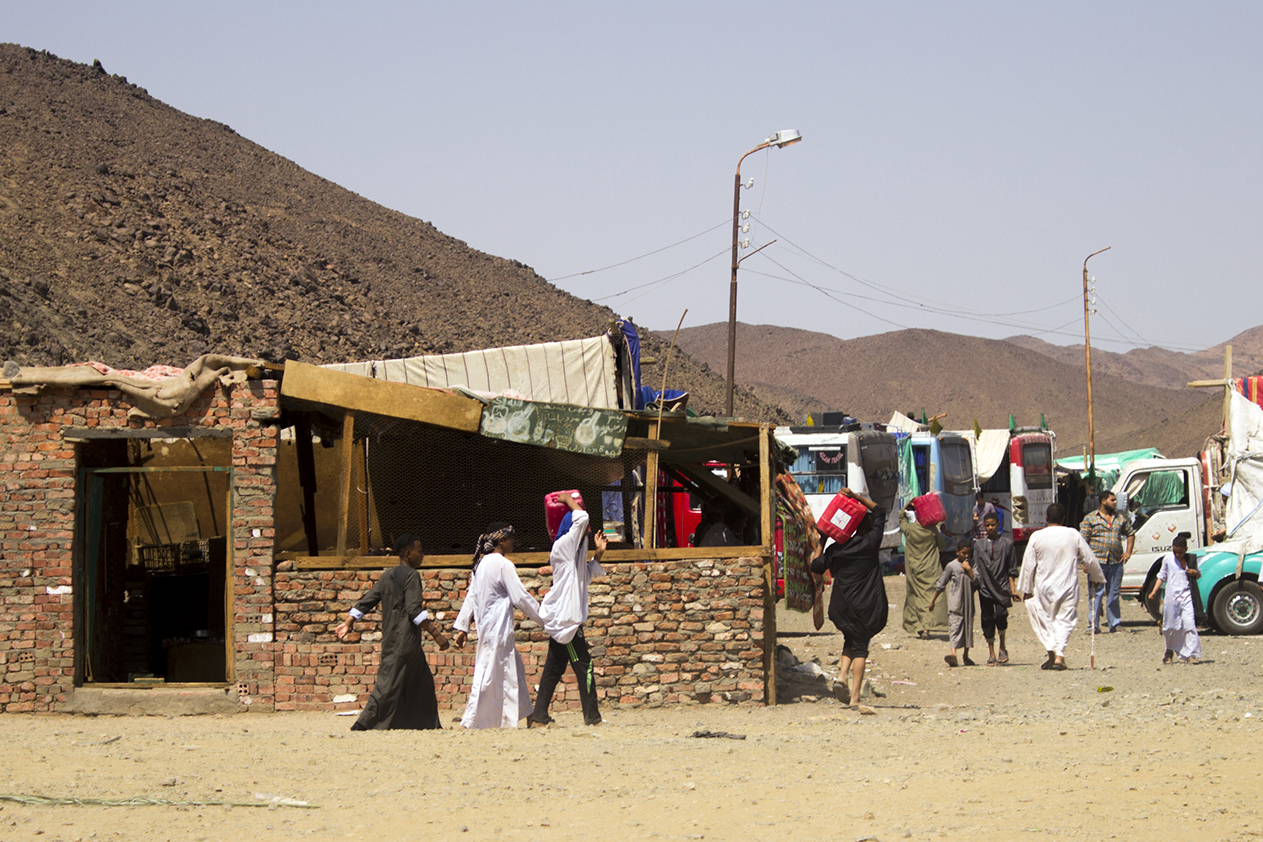
Present Condition For “El-Sheikh El-Shazli” Village
Gohar, A.
LIFE Red Sea Project, United States Agency for International Development (USAID), 2007.
This report examines the current conditions of El-Sheikh El-Shazli village, focusing on its environmental setting, settlement structure, and the availability of basic services and infrastructure. It highlights key challenges and opportunities shaping the village, providing a baseline for future planning, risk mitigation, and community-based development interventions.

El-Hallous Urban Profile, Participatory Slum Upgrading Project, Ismailia, Egypt
Gohar, A.
UNDP, Ismailia, 2006.
This report presents a comprehensive urban profile of El-Hallous village within the framework of the Participatory Slum Upgrading Project in Ismailia, Egypt, focusing on both physical conditions and socio-economic characteristics. It analyzes key dimensions including built form, land use, infrastructure, services, and development constraints, drawing on field surveys and participatory engagement with local stakeholders. The report provides an integrated understanding of the settlement to inform targeted upgrading interventions and support inclusive, community-driven planning processes.
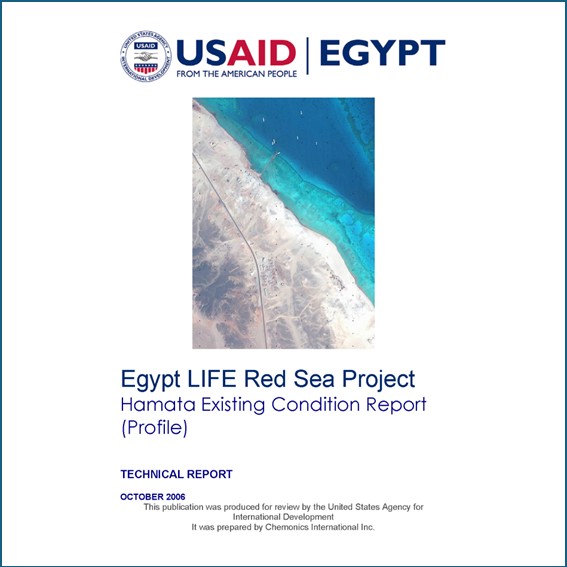
EGYPT LIFE Red Sea Project – Hamata Existing Condition Report (Profile)
Gohar, A.
Chemonics Intl. Inc. – United States Agency for International Development (USAID), 2006.
This report assesses the existing conditions of selected South Red Sea settlements under the LIFE Red Sea project. It explains how settlements were evaluated for possible physical intervention based on criteria such as government priorities, community capacity, local identity, urban deterioration, quality of life improvement, job creation, and willingness to participate. The assessment uses a qualitative rating system to determine which settlements are most suitable for upgrading activities.
Municipal Administration Modernisation, Action Plan 10: Informal Settlement
Gohar, A.
EuropeAid/119822/D/SV/SY, 2005.
This report examines the causes behind informal settlements in Syrian cities, linking them to weaknesses in vision, decision-making, planning, and implementation. It proposes a two-level response: a national strategy to prevent the formation of new informal settlements, and site-specific upgrading to integrate existing settlements into the wider city. The report also emphasizes the need for stakeholder and public participation through seminars and workshops to develop practical and context-sensitive interventions.
Municipal Administration Modernisation, Action Plan 9: Urban Planning
Gohar, A.
EuropeAid/119822/D/SV/SY, 2005.
This report discusses urban planning challenges related to Syrian cities, particularly the growth of informal settlements and poorly serviced urban areas. It identifies key weaknesses in the planning system, including weak coordination, centralised decision-making, unclear planning laws, limited enforcement, and insufficient technical capacity. The report also highlights the role of the MAM project in improving planning processes through better base maps, GIS, professional planning input, tourism planning, transport strategies, and local capacity building.
